Learning idioms is a milestone for children’s language development, turning simple phrases into vivid metaphors. This guide focuses on clear, age‑appropriate examples, real‑world scenarios, and practical tips for choosing idioms that resonate with young learners.
Why Idioms Matter for Young Speakers
Idioms enrich vocabulary, sharpen listening comprehension, and foster cultural literacy. When a child says, “She’s on cloud nine,” they’re not just talking about weather; they’re expressing elation. Teaching idioms early builds a foundation for creative expression and helps children decode humor, literature, and media.
Choosing Idioms That Fit Developmental Levels
- Simple imagery. Pick idioms with visual or physical references—“It’s raining cats and dogs” invites a picture of a storm.
- Positive language. Kids respond better to encouraging idioms such as “Break a leg” when wishing success.
- Contextual relevance. Align idioms with the child’s interests: sports, animals, or school life.
- Repetition in exposure. Introduce an idiom in multiple settings—storytime, classroom discussion, and everyday conversation.
Common Idioms and Kid‑Friendly Explanations
Below is a concise catalog of idioms that are safe, memorable, and easily demonstrated.
1. Break the ice
Meaning: To start a conversation or activity that makes people comfortable. Use it when a class welcomes new students or during a group project kickoff.
2. A piece of cake
Meaning: Something very easy to do. Ideal for encouraging children after a simple math task or a quick art activity.
3. Under the weather
Meaning: Feeling ill. Helpful when discussing health or describing a friend who is a bit sick.
4. Hit the books
Meaning: To study hard. A great motivator before tests or project deadlines.
5. Spill the beans
Meaning: Reveal a secret. Perfect for storytelling games or when a child learns a surprise.
Integrating Idioms into Daily Routines
Consistency turns passive knowledge into active language use. Here’s a quick implementation plan:
- Morning Circle. Start each day with a “Did you hear a new idiom?” segment.
- Storybook Highlight. Select a short story containing an idiom and ask children to identify it.
- Role‑Play. Create simple skits where children use the idiom in context.
- Creative Writing. Prompt essays or journal entries that incorporate at least one idiom.
Evaluating Idiom Effectiveness
When you’re unsure if a particular idiom is working, apply these criteria:
- Retention rate. Ask the child to use the idiom after a week.
- Correctness. Ensure they apply the idiom’s meaning, not just its words.
- Engagement. Notice if the child enjoys discussing or repeating the phrase.
- Transferability. Observe if the child uses the idiom in new situations beyond the original lesson.
Expanding Beyond Simple Idioms
Once basic expressions become comfortable, introduce compound idioms that combine two familiar images, such as “cost an arm and a leg” or “give someone the cold shoulder.” Pair these with visual aids or short videos to solidify comprehension.
Conclusion
By selecting age‑appropriate idioms, embedding them in everyday contexts, and measuring their impact, researchers and educators can accelerate children’s linguistic creativity. Start with the examples above, observe how kids respond, and then tailor your collection to match their evolving interests and cognitive growth.
Learning idioms is a milestone for children’s language development, turning simple phrases into vivid metaphors. This guide focuses on clear, age‑appropriate examples, real‑world scenarios, and practical tips for choosing idioms that resonate with young learners.
Why Idioms Matter for Young Speakers
Idioms enrich vocabulary, sharpen listening comprehension, and foster cultural literacy. When a child says, “She’s on cloud nine,” they’re not just talking about weather; they’re expressing elation. Teaching idioms early builds a foundation for creative expression and helps children decode humor, literature, and media.
Choosing Idioms That Fit Developmental Levels
- Simple imagery. Pick idioms with visual or physical references—“It’s raining cats and dogs” invites a picture of a storm.
- Positive language. Kids respond better to encouraging idioms such as “Break a leg” when wishing success.
- Contextual relevance. Align idioms with the child’s interests: sports, animals, or school life.
- Repetition in exposure. Introduce an idiom in multiple settings—storytime, classroom discussion, and everyday conversation.
Common Idioms and Kid‑Friendly Explanations
Below is a concise catalog of idioms that are safe, memorable, and easily demonstrated.
1. Break the ice
Meaning: To start a conversation or activity that makes people comfortable. Use it when a class welcomes new students or during a group project kickoff.
2. A piece of cake
Meaning: Something very easy to do. Ideal for encouraging children after a simple math task or a quick art activity.
3. Under the weather
Meaning: Feeling ill. Helpful when discussing health or describing a friend who is a bit sick.
4. Hit the books
Meaning: To study hard. A great motivator before tests or project deadlines.
5. Spill the beans
Meaning: Reveal a secret. Perfect for storytelling games or when a child learns a surprise.
Integrating Idioms into Daily Routines
Consistency turns passive knowledge into active language use. Here’s a quick implementation plan:
- Morning Circle. Start each day with a “Did you hear a new idiom?” segment.
- Storybook Highlight. Select a short story containing an idiom and ask children to identify it.
- Role‑Play. Create simple skits where children use the idiom in context.
- Creative Writing. Prompt essays or journal entries that incorporate at least one idiom.
Evaluating Idiom Effectiveness
When you’re unsure if a particular idiom is working, apply these criteria:
- Retention rate. Ask the child to use the idiom after a week.
- Correctness. Ensure they apply the idiom’s meaning, not just its words.
- Engagement. Notice if the child enjoys discussing or repeating the phrase.
- Transferability. Observe if the child uses the idiom in new situations beyond the original lesson.
Expanding Beyond Simple Idioms
Once basic expressions become comfortable, introduce compound idioms that combine two familiar images, such as “cost an arm and a leg” or “give someone the cold shoulder.” Pair these with visual aids or short videos to solidify comprehension.
Conclusion
By selecting age‑appropriate idioms, embedding them in everyday contexts, and measuring their impact, researchers and educators can accelerate children’s linguistic creativity. Start with the examples above, observe how kids respond, and then tailor your collection to match their evolving interests and cognitive growth.
How To Integrate Real-Life Examples Into Your Academic Writing

How to Integrate Real-Life Examples Into Your Academic Writing ...
GenAI Vs. AI: Understanding The Next Generation Of AI - Apixel's Blog

GenAI vs. AI: Understanding the Next Generation of AI - Apixel's Blog ...
Example Sentences Of Collective Nouns In English With Pictures - Ilmish
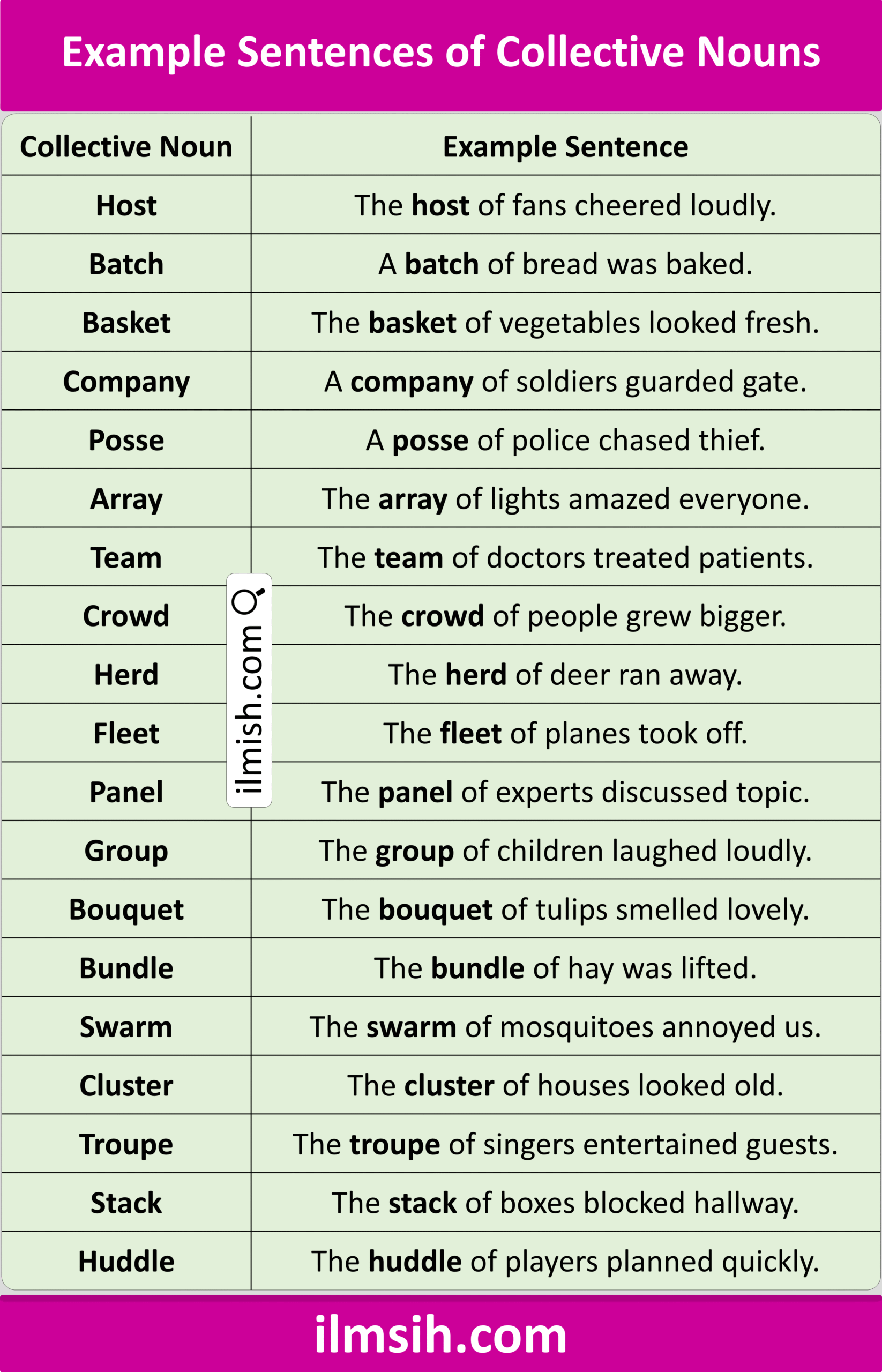
Example Sentences of Collective Nouns in English with Pictures - ilmish
Sample Disciplinary Write Up Letter

Sample Disciplinary Write Up Letter
Пример Example
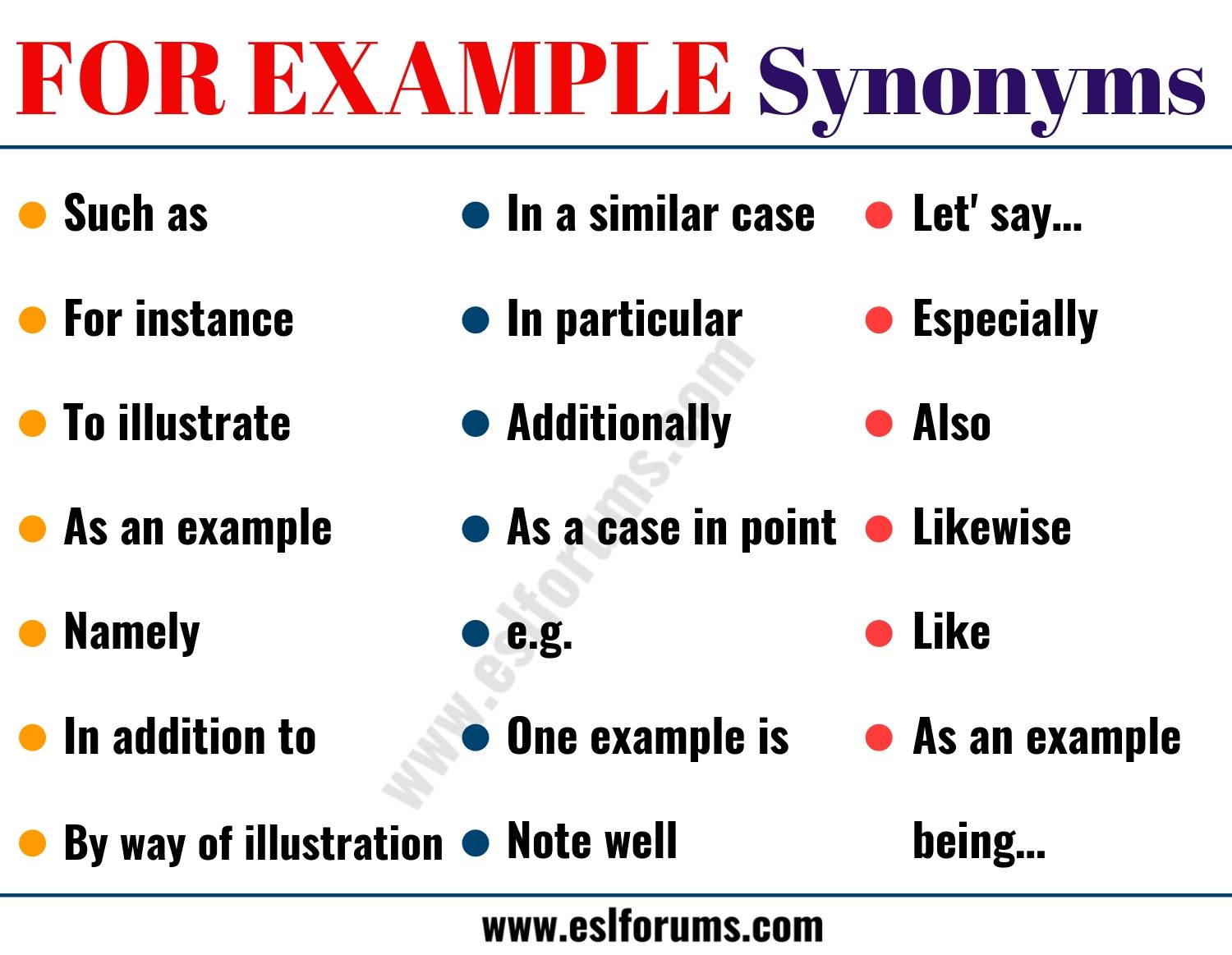
Пример example